Rights and Opportunities for Female Migrant Workers

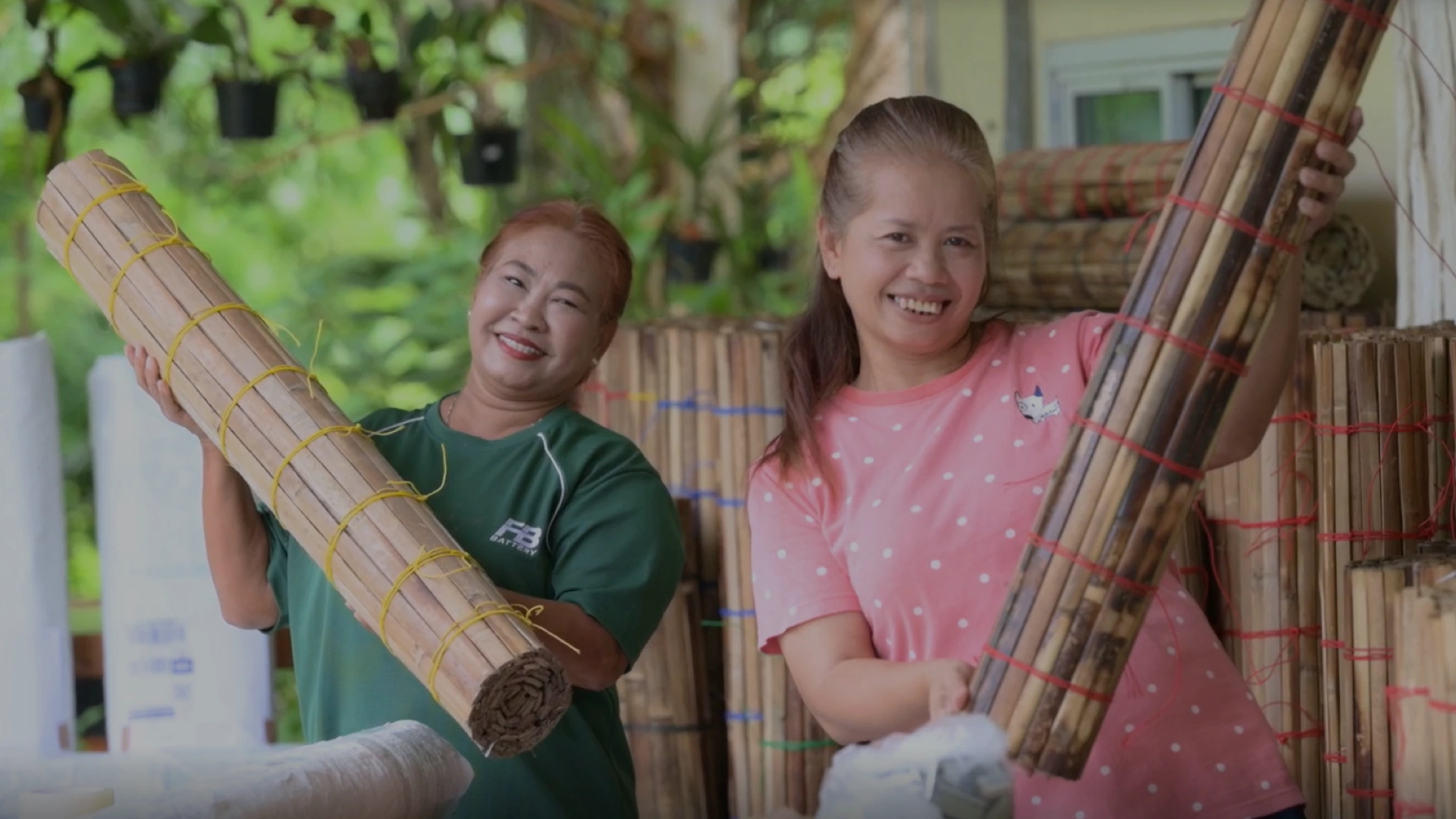
     However, that image is far from accurate.  In Thailand, the number of male and female migrant workers are quite similar indeed. Most of these migrants come from Laos, Cambodia, Myanmar, and Vietnam to work in lower-skilled jobs in large cities or suburbs in Thailand.

     The Thailand Migration Report 2019, prepared by the United Nations Special Task Force on Migration in Thailand, estimates that non-Thai migrant workers in Thailand made up about 8.5 percent of the country's labor force in that year. The report also estimated that there were four million workers and accompanying dependents in Thailand that year with half being women. 

     Based on the experience in assisting migrant workers in Chonburi and Rayong Provinces, the Raks Thai Foundation found that women who migrate to Thailand from neighboring countries come for different reasons. Some have no choice but to follow their migrant-worker husband, while others come independently to seek opportunities in life. The latter is increasing in number with a responsibility to send a significant portion of their earnings back to their family at home.

     Migrant women workers face challenges from society's stereotype of women. Women are expected to be the wife of the male worker who is the main breadwinner of the family. The main role of women is to take care of the children. However, if women migrate on their own, they run the risk of becoming victims of human trafficking, suffering from exploitation and unfair wages, and being discriminated against in the labor force.

     The “Safe and Fair: Realizing Women Migrant Workers' Rights and Opportunities in the ASEAN Region Project” is implemented by Raks Thai to assist women migrant workers in Chonburi and Rayong Provinces of Thailand. The project receives funding from the International Labor Organization (ILO) to enhance skills of women workers and create cadres of female leaders to help monitor events in the community related to labor rights and violence against women.
Raks Thai staff also organized a series of group interviews with representatives of female migrant workers about what skills they would like to develop when in Thailand. The priority of many respondents was to learn the Thai language in order to communicate and read local signs. This led to the creation of a Thai language course for women migrant workers. The content focuses on speaking-listening and simple reading skills.

     The project staffs would meet these women where they live and work which is usually in the construction site or factories. They are encouraged to talk in small groups and exchange basic knowledge about sexual violence against women, both within the family and at the workplace. This project revealed that most of these migrant women lacks formal knowledge about gender-based violence. Moreover, most had been through gender based violence but did not realize it was a violation to their rights or an issue that should be reported or whom to report to.

     This project was implemented from 1st July 2019 to 30th June 2020. There were a total of 10 functional literacy sessions completed with a total of 15 migrant’s family members (15 migrant children – 7 boys; 8 girls) in Chonburi. A total of 798 migrant workers (721 women; 76 men; 1 boy) received PPE package during the outreach session. A total of 50 women migrant workers attended women empowerment sessions, underlining topic of gender equality, GBV and provincial referral mechanism. The first stakeholder meeting in Rayong was conducted with a total of 10 participants, including migrant leaders and representatives from 7 agencies from government and private sectors as well as civil society organizations.

โครงการอื่นๆ

สร้างอนาคตเด็กไทย: ก้าวไปด้วยกันกับมูลนิธิรักษ์ไทย

สร้างอนาคตเด็กไทย: ก้าวไปด้วยกันกับมูลนิธิรักษ์ไทย

“เพราะเด็ก คือ คนที่จะขับเคลื่อนสังคมต่อไป” มูลนิธิรักษ์ไทย มุ่งมั่นในการพัฒนาศักยภาพเด็ก ให้มีความรู้ ทักษะ และเสริมสร้างภาวะผู้นำ เราจะสร้างการพัฒนาที่ยั่งยืน และ สร้างอนาคตที่ดีของสังคมต่อไป
Migtant Children Development

Migtant Children Development

เด็ก ๆ มีสิทธิที่จะได้รับการพัฒนา อันเป็นสิทธิพื้นฐานของเด็กทุกคนเมื่อเกิดมา ไม่ว่าจะเป็นเด็กเชื้อชาติ สัญชาติไหนหรืออาศัยอยู่ที่แห่งใดบนโลกใบนี้ ไม่เว้นแม้แต่เด็ก ๆ ลูกแรงงานข้ามชาติที่อาศัยอยู่ในเมืองไทย พวกเขา/เธอก็มีสิทธิที่จะได้รับการศึกษาเช่นเดียวกัน แต่การเข้าถึงการศึกษาของเด็กกลุ่มนี้
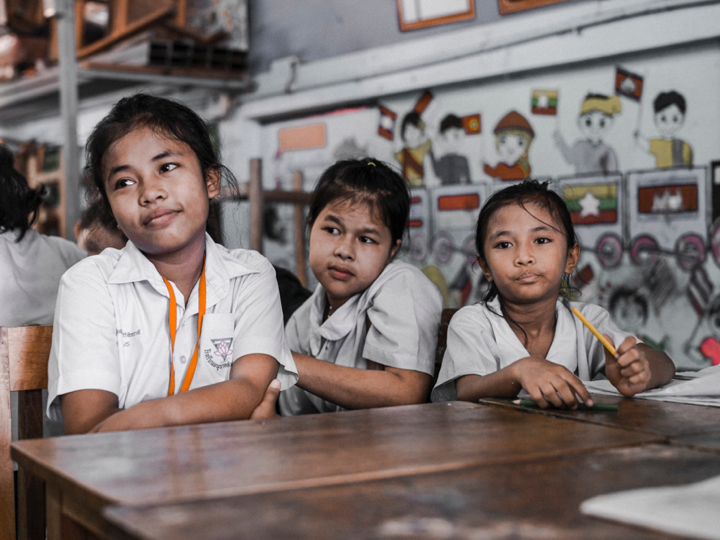
ศูนย์การเรียนรู้ลูกแรงงานข้ามชาติ จ.สมุทรสาคร

ศูนย์การเรียนรู้ลูกแรงงานข้ามชาติ จ.สมุทรสาคร

ช่วงเวลาเกือบ 3 ทศวรรษที่ผ่านมา แรงงานข้ามชาติเข้ามาเป็นส่วนหนึ่งในอุตสาหกรรมการผลิตและการบริการของระบบเศรษฐกิจไทย เป็นจำนวนมาก มูลนิธิรักษ์ไทยเล็งเห็นถึงความสำคัญที่จะต้องให้ความช่วยเหลือแก่กลุ่มแรงงานข้ามชาติ ให้ตระหนักถึงสิทธิของตน โดยได้ดำเนินโครงการต่าง ๆ ผ่านหลากหลายโครงการ
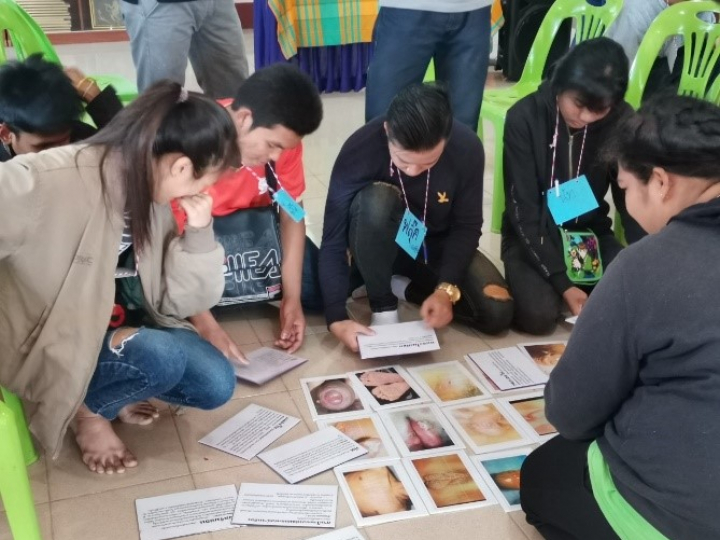
ส่งเสริมความรู้อนามัยเจริญพันธุ์ในนักศึกษา กศน.

ส่งเสริมความรู้อนามัยเจริญพันธุ์ในนักศึกษา กศน.

สถานการณ์การตั้งครรภ์ในวัยรุ่นเป็นประเด็นปัญหาที่สำคัญของประเทศไทย และเมื่อพิจารณาข้อมูลในภาคตะวันออกเฉียงเหนือตอนบน(จังหวัดอุดรธานี หนองบัวลำภู เลย หนองคาย บึงกาฬ สกลนคร และนครพนม) พบว่าประชากรอายุระหว่าง 15-24 ปีมีเพศสัมพันธ์ครั้งแรกไม่ปลอดภัย/ไม่ป้องกัน