Cross-border Migrant Workers and Covid-19

     The cross-border migrant workers, a critical part of the economic engine in Thailand, are in dire straits. Their plight is arguably worse since they have to suffer in a foreign country and cannot return home. 

     At the beginning of the Covid-19 outbreak in 2020, the Raks Thai Foundation quickly recognized that the socio-economic impacts on the lives of migrant workers stranded in Thailand might be worse than the health effects – at least in the near term.

     In this regard, Raks Thai’s strength lies in its work to support labor rights and health rights for non-Thai migrant workers. Thus, Raks Thai was poised to launch a rapid response to help the most vulnerable groups of migrants.

      The first wave of the Covid-19 outbreak in Thailand did not impact directly on migrant workers more than others, but the expanding closure of worksites and travel restrictions was starting to have an economic effect. Thus, Raks Thai focused assistance in the form of disaster relief and development of volunteer leadership capabilities for migrant workers in 10 provinces, namely Trat, Rayong, Chanthaburi, Samut Prakan, Samut Sakorn, Nakorn Pathom, Pathum Thani, Nakhon Si Thammarat, Pattani, and Surat Thani.

     The main activities during that period focused on three topics: Education and prevention of Covid-19 virus by distributing personal protective equipment (e.g., masks, alcohol gel); forming groups and training them to make sanitary masks themselves for distribution in their own communities; and distribution of survival kits.  Raks Thai did not distribute these kits indiscriminately.  They targeted those workers who became suddenly unemployed, pregnant women, and those with young children or bedridden dependents.

     In the second wave of Covid-19 in Thailand in December 2020, the migrant worker community was more severely affected.  That outbreak occurred at a large, wholesale shrimp market in Samut Sakorn Province, and this market and surrounding community was heavily populated with migrants and accompanying dependents, mostly from Myanmar.

     Now, more migrants were infected and becoming ill.  Yet they could not return home due to the international land border closures by the Thai government.

     Wasurat Homsud is a Raks Thai Field Coordinator who worked on assistance to migrants in Samut Sakorn.  In his words:

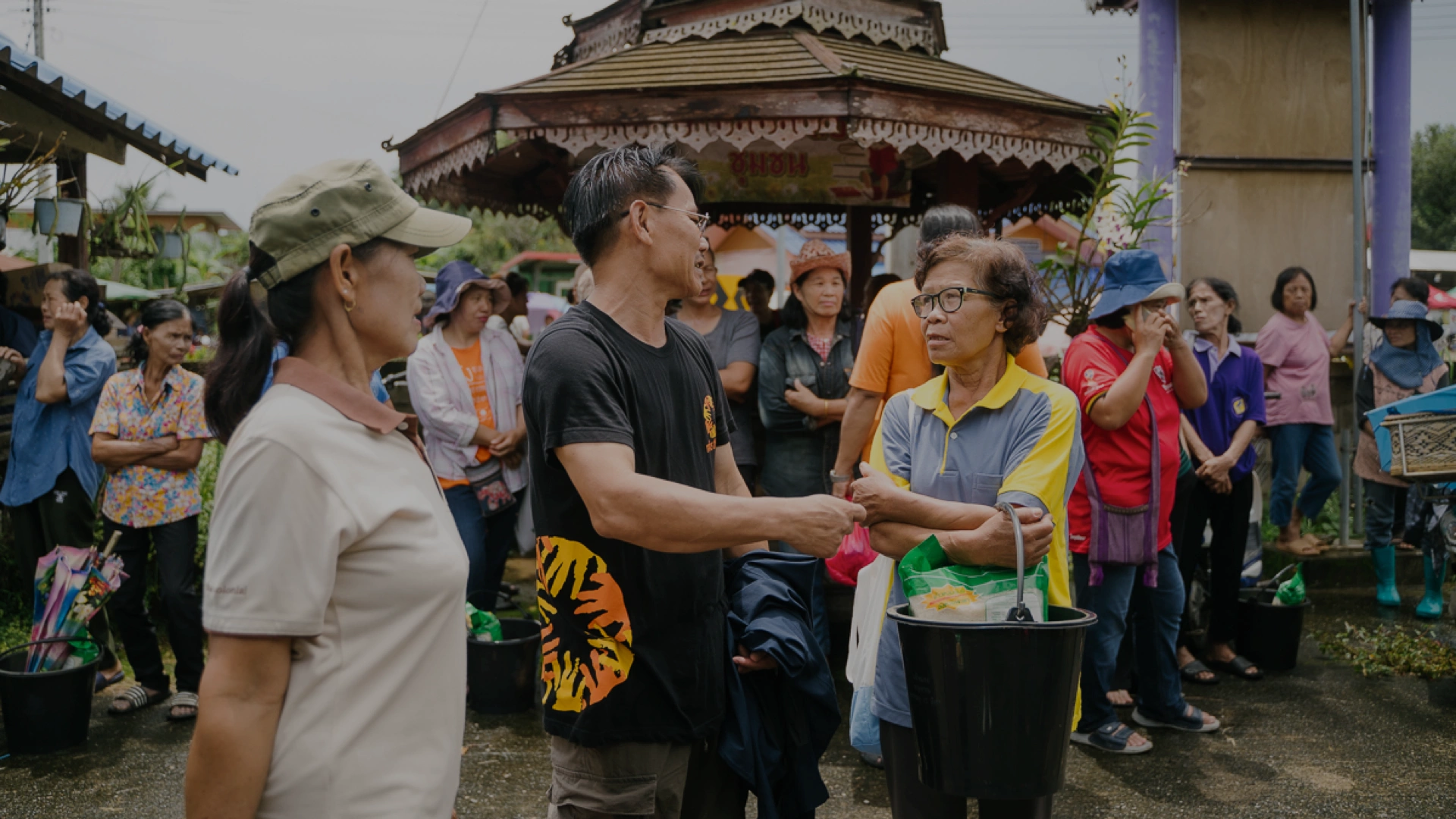
“Our team went directly to the shrimp fresh market, which was the epicenter of this second wave of COVID-19.  We already had a cadre of trained peer leaders who had worked with us on other projects.  However, the government ordered a lockdown of the market and a number of residential buildings with migrant tenants.  Thus, our team had to serve as the liaison between the migrants and the outside.  Bamrasnaradura Hospital deployed a mobile clinic to the area to conduct screening and preliminary treatment for symptomatic COVID-19 cases.  We also distributed a large number of survival kits since the migrants were restricted to only essential travel outside their apartments.   We had bilingual outreach workers who helped to translate for the migrants and Thai public health staff who were screening residents for COVID-19. We also helping with the queuing process to make the mass screening more orderly.”

     During the outbreak of COVID-19 Pandemic, Raks Thai team have been working on this case in more than 45 provinces which amounted to a large number of migrant workers in multiple industries including fisheries and seafood processing. Raks Thai team have also provided the necessities to the people in the area including : meals, relief supply bags, PPE equipment, toothpastes, ventilators, insurance, and cash to support the 423,631 beneficiaries. Moreover, there has also been a distribution of one million bars of soap to those facing this crisis.

     In sum, Raks Thai’s flexibility of operations helped it to respond most rapidly to the impact of Covid-19, including health, social, and economic assistance.  The fact that Raks Thai has many years of working with cross-border migrant communities in Thailand meant that Raks Thai field staff already had an active network of migrant volunteers and contacts to rapidly assess needs and target the assistance so that it could do the most good.

โครงการอื่นๆ

สร้างอนาคตเด็กไทย: ก้าวไปด้วยกันกับมูลนิธิรักษ์ไทย

สร้างอนาคตเด็กไทย: ก้าวไปด้วยกันกับมูลนิธิรักษ์ไทย

“เพราะเด็ก คือ คนที่จะขับเคลื่อนสังคมต่อไป” มูลนิธิรักษ์ไทย มุ่งมั่นในการพัฒนาศักยภาพเด็ก ให้มีความรู้ ทักษะ และเสริมสร้างภาวะผู้นำ เราจะสร้างการพัฒนาที่ยั่งยืน และ สร้างอนาคตที่ดีของสังคมต่อไป
Migtant Children Development

Migtant Children Development

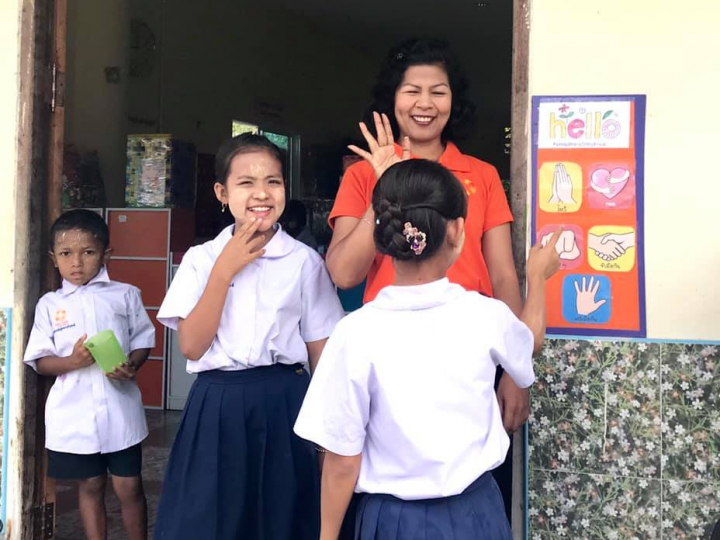
เด็ก ๆ มีสิทธิที่จะได้รับการพัฒนา อันเป็นสิทธิพื้นฐานของเด็กทุกคนเมื่อเกิดมา ไม่ว่าจะเป็นเด็กเชื้อชาติ สัญชาติไหนหรืออาศัยอยู่ที่แห่งใดบนโลกใบนี้ ไม่เว้นแม้แต่เด็ก ๆ ลูกแรงงานข้ามชาติที่อาศัยอยู่ในเมืองไทย พวกเขา/เธอก็มีสิทธิที่จะได้รับการศึกษาเช่นเดียวกัน แต่การเข้าถึงการศึกษาของเด็กกลุ่มนี้
ศูนย์การเรียนรู้ลูกแรงงานข้ามชาติ จ.สมุทรสาคร

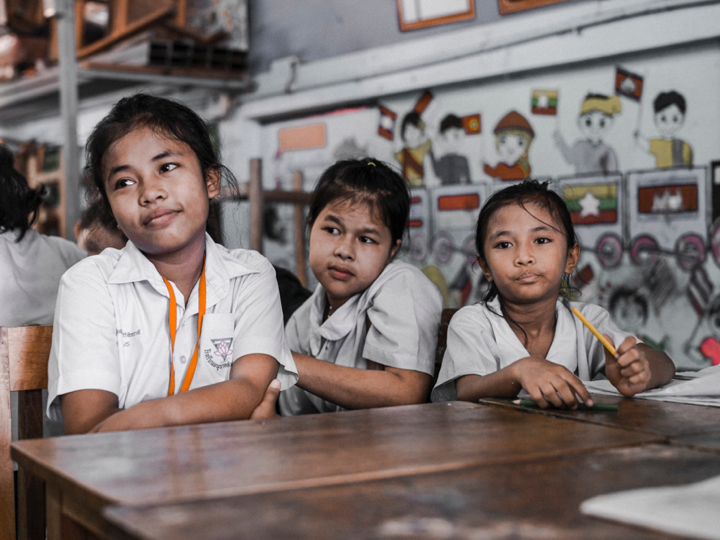
ศูนย์การเรียนรู้ลูกแรงงานข้ามชาติ จ.สมุทรสาคร

ช่วงเวลาเกือบ 3 ทศวรรษที่ผ่านมา แรงงานข้ามชาติเข้ามาเป็นส่วนหนึ่งในอุตสาหกรรมการผลิตและการบริการของระบบเศรษฐกิจไทย เป็นจำนวนมาก มูลนิธิรักษ์ไทยเล็งเห็นถึงความสำคัญที่จะต้องให้ความช่วยเหลือแก่กลุ่มแรงงานข้ามชาติ ให้ตระหนักถึงสิทธิของตน โดยได้ดำเนินโครงการต่าง ๆ ผ่านหลากหลายโครงการ
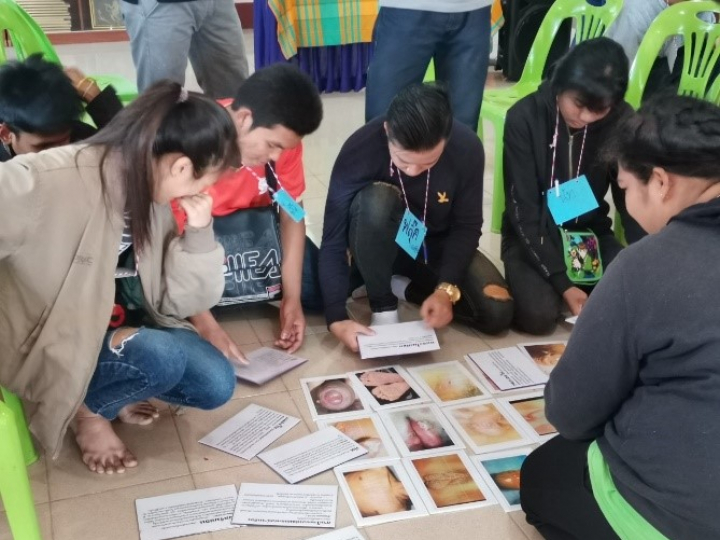
ส่งเสริมความรู้อนามัยเจริญพันธุ์ในนักศึกษา กศน.

ส่งเสริมความรู้อนามัยเจริญพันธุ์ในนักศึกษา กศน.

สถานการณ์การตั้งครรภ์ในวัยรุ่นเป็นประเด็นปัญหาที่สำคัญของประเทศไทย และเมื่อพิจารณาข้อมูลในภาคตะวันออกเฉียงเหนือตอนบน(จังหวัดอุดรธานี หนองบัวลำภู เลย หนองคาย บึงกาฬ สกลนคร และนครพนม) พบว่าประชากรอายุระหว่าง 15-24 ปีมีเพศสัมพันธ์ครั้งแรกไม่ปลอดภัย/ไม่ป้องกัน